



Congratulations, Bob & Andrew!
Dr. Bob Phillips, Executive Director of the CPV, received the President’s Award at the 2025 NAPCRG Annual Meeting in Atlanta, GA. This award is presented annually to a member who has demonstrated the values of and dedicated their time to supporting NAPCRG. ABFM/CPV team members and their research were heavily represented across this conference, the largest Primary Health Care research convening in the world, contributing to over 30 presentations, workshops and posters sharing new scientific knowledge across a broad array of topics in addition to contributions to committees, annual meetings with collaborators the board of directors.
Dr. Andrew Bazemore, Co-Director of the CPV, is the incoming president elect for NAPCRG. NAPCRG is an interdisciplinary volunteer association committed to nurturing primary care researchers. Dr. Bazemore will serve a three-year term, beginning as Vice President, then President, and finally Immediate Past President. The goal of this appointment is to provide overall leadership to the Board of Directors, ensuring effective governance, accountability, and the smooth operation of the organization. In this role, Dr. Bazemore will support board activities, collaborate closely with organizational leadership, and represent NAPCRG internally and externally, ensuring continuity and strong leadership throughout the term.

Advisory Board – Fall Virtual Meeting
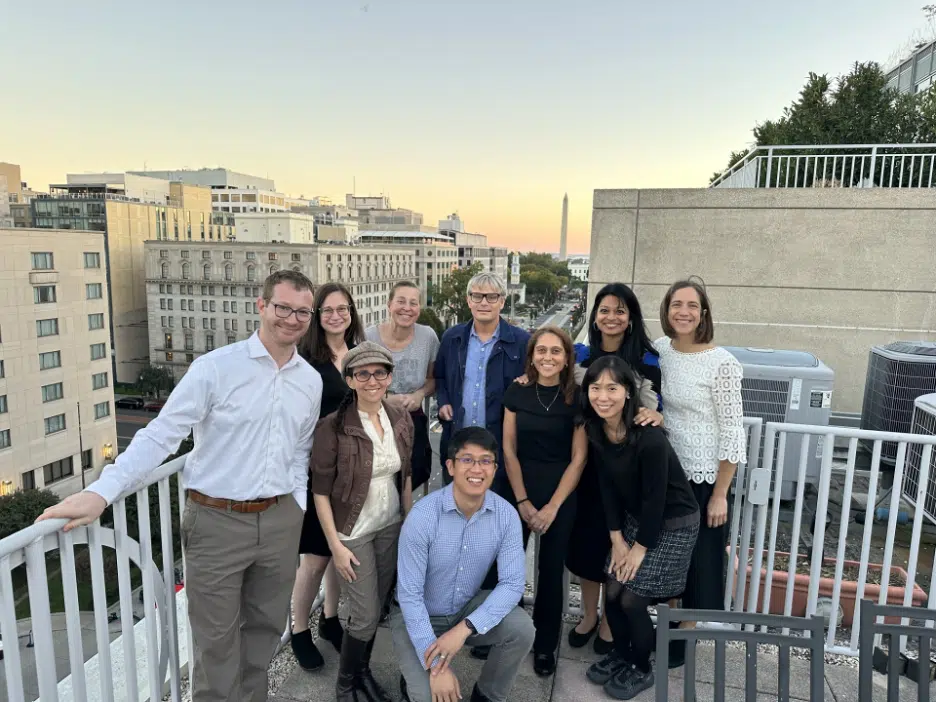
In October, we convened our Advisory Board virtually. We welcomed 3 new members, Wendy Dean, MD; Kimberly Deltuva, MD; and Barbara Rubino, MD, and are excited about the new and varied perspectives and voices that they bring to our work. We eagerly anticipate our next gathering in-person in the spring of 2026.
Gathering Past & Present Puffer Fellows
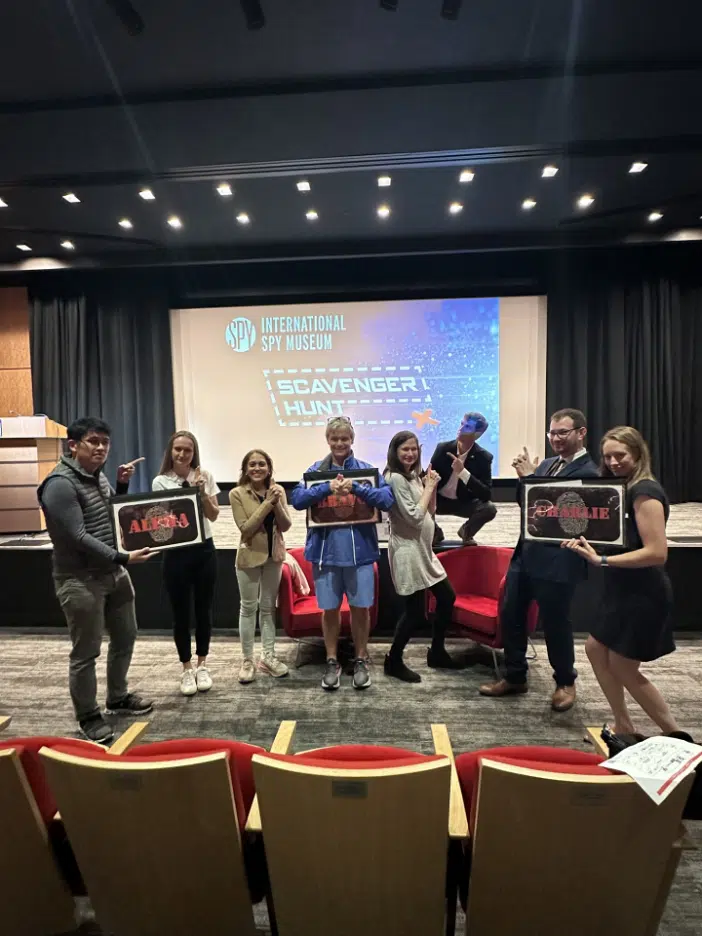
In conjunction with annual National Academies of Medicine meetings, we welcomed Puffer Fellow Alumni and current fellows to the CPV to celebrate the 15th anniversary of this important 2 year fellowship at the NAM. In addition to participating in the NAM annual symposium on the future of AI in Medicine, this remarkable group of scholars and leaders spent time together in professional development and cohort building activities over a weekend together. The events were based out of the CPV, where Fellows past and present learned more about our work and each other through a series of networking and mentoring sessions plus a fun and engaging competitive scavenger hunt at the International Spy Museum.
Similar to our 10th anniversary Puffer Fellowship weekend, participants offered extremely positive remarks and reflected positively on their Puffer experience, e.g.:
“To be surrounded by family physicians I admire, learn from them, and connect with them, gave me the personal momentum to feel encouraged to continue on with my work and to focus on improving health systems. It made me feel part of a broader community in a way that was very sustaining. Cannot praise enough how welcoming Andrew Bazemore and Bob Philips were, very grateful for their deliberately curating and tending to this community.”
“The Puffer Fellowship has given me the opportunity meet and collaborate with leaders in primary care policy and research. I am developing multiple collaborations through this fellowship. The Puffer Fellowship has shaped my career to be more policy focused and has made me consider implementation, policy and practical implications in all my clinical and research work.”
“Learning from past fellows helps me make the most of my current time. In addition, by bringing together such a stellar cadre of individuals with aligned interests but broad and varied networks and specific agendas, the opportunities to help each other further our own work towards goals is immense.”


Molly Dineen
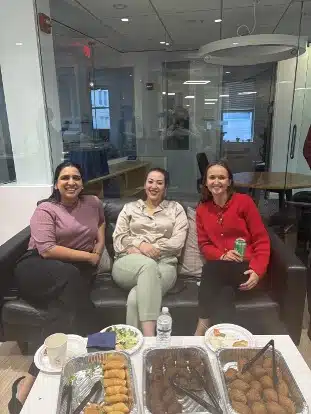
In October, we welcomed Molly Dineen, an Academic Clinical Fellow in General Practice in Bristol, England. Molly graduated as a doctor in 2020 and is due to become a fully qualified GP in 2027. She is currently balancing her clinical training with research into the associations between continuity of care and access in general practice. In her spare time, Molly enjoys running, hiking and cycling.


Welcome, Dr. Garrett Kneese | 2025-2025 Fellow
Garrett Kneese, MD/MPH, DABFM is a first generation physician from Texas and 2021 ABFM Foundation Pisacano Scholar joining the CPV as the 2025-2026 CPV-GW Health Policy Research Fellow with a primary focus on artificial intelligence and primary care policy intersections as they relate to health systems and structural determinants of health. While completing his medical training at the UC San Diego Family Medicine program and UT-Long School of Medicine in San Antonio, Texas, Dr. Kneese served through multiple public/global health fellowships spanning the Texas-Mexico border, Ecuador, and Europe. During this time he has served in both organized medicine with years of collaboration and leadership within the American Academy of Family Physicians and American Medical Association as well as in physician organizing with the Committee of Interns & Residents.
Dr. Kneese’s broad background fuels his insights and passions within multiple arenas of primary care policy, from technological innovations and payment reforms, to physician organizing/advocacy, to trainee-education in Family Medicine. These areas of engagement are contextualized by a commitment to the social charge of family medicine practice, an enactive approach to structural determinants of health for all people, and a dedication to contribute to future generations of medicine and public health practice. When away from these tireless endeavors you’ll find Garrett on his bike, behind a camera, abroad and away, or back home in the Lone Star State with his family and three-legged heeler, Leo.
We strongly encourage those interested in any of these mentioned spaces or the CPV fellowship to reach out to us to be connected with Dr. Kneese, who is always delighted to mentor and advise those passionate about people, policy, and primary care in honor of those who have helped him along his journey.
Congratulations, Dr. Aerial Petty | 2024-2025 Fellow
In a Fellowship farewell dinner event at the CPV, Dr. Aerial Petty gave a capstone presentation to a group of CPV staff, GW colleagues and friends through her considerable achievements over the past year of working with us. We heard about her classes, cohorts, and experiences speaking on panels and attending many conferences. She shared pictures and stories of her travels and growth. We wish Aerial the best in her future endeavors!

New Claims-based Method to Improve Primary Care Clinician Identification
We developed and validated a simple, scalable decision tree classifier that accurately identifies primary care clinicians using medical claims data, leveraging linked responses from ABFM surveys and the Virginia All-Payer Claims Database. This approach addresses longstanding limitations in workforce estimation methods that rely frequently on specialty designation or other imprecise techniques.
Exploring Declining Vaccination Rates and the Role of Primary Care: 2 year funded study wrapping up
Shifting Patterns of Vaccine Delivery Before and After COVID-19 is the first of four planned publications from a two-year investigation into the declining share of vaccines delivered through primary care and the policy/payment reforms needed to reverse this trend. Using Medicare claims and MEPS data, the study documents a marked shift of vaccine delivery from primary care clinicians to mass immunizers and pharmacies between 2017 and 2021—accelerated by pandemic-era disruptions and expanded pharmacist authority. While this broadened access, the authors note risks to continuity, multi-dose and childhood vaccine management, and efforts to counter hesitancy, underscoring the need to reintegrate primary care into national vaccination strategy
Measuring Continuity and Comprehensiveness at Health System Level
Continuity and comprehensiveness are core functions of primary care long associated with improved costs, quality, and mortality. However, they are not typically measured for clinicians or health systems despite concerns over their decline. Extending the work of physician-level measurement of continuity and comprehensiveness, we linked the AHRQ’s Compendium of U.S. Health Systems, the Medicare claims, and the ABFM administrative data and calculated system-level scores for health systems that employed board-certified family physicians. Of 115 health systems with 50 or more affiliated family physicians, only a third scored higher than average on both measures. This study demonstrates that claims data can support low-burden, scalable measurement of continuity and comprehensiveness.
We developed and validated a simple, scalable decision tree classifier that accurately identifies primary care clinicians using medical claims data, leveraging linked responses from ABFM surveys and the Virginia All-Payer Claims Database. This approach addresses longstanding limitations in workforce estimation methods that rely frequently on specialty designation or other imprecise techniques.
Exploring Declining Vaccination Rates and the Role of Primary Care: 2 year funded study wrapping up
Shifting Patterns of Vaccine Delivery Before and After COVID-19 is the first of four planned publications from a two-year investigation into the declining share of vaccines delivered through primary care and the policy/payment reforms needed to reverse this trend. Using Medicare claims and MEPS data, the study documents a marked shift of vaccine delivery from primary care clinicians to mass immunizers and pharmacies between 2017 and 2021—accelerated by pandemic-era disruptions and expanded pharmacist authority. While this broadened access, the authors note risks to continuity, multi-dose and childhood vaccine management, and efforts to counter hesitancy, underscoring the need to reintegrate primary care into national vaccination strategy
Measuring Continuity and Comprehensiveness at Health System Level
Continuity and comprehensiveness are core functions of primary care long associated with improved costs, quality, and mortality. However, they are not typically measured for clinicians or health systems despite concerns over their decline. Extending the work of physician-level measurement of continuity and comprehensiveness, we linked the AHRQ’s Compendium of U.S. Health Systems, the Medicare claims, and the ABFM administrative data and calculated system-level scores for health systems that employed board-certified family physicians. Of 115 health systems with 50 or more affiliated family physicians, only a third scored higher than average on both measures. This study demonstrates that claims data can support low-burden, scalable measurement of continuity and comprehensiveness.
Advancing Continuity of Care
Partnering in Federal Health Policy
Technical Expert Panel sessions with ASTP/ABFM are informing the development of an interoperability index, with further cross-board discussions planned this fall. Our partnership with ONC is entering its second year, now with greater focus on how EHR interoperability and burden translate into effective policy. Similar work in California is guiding state-level options, demonstrating the dual federal and state impact of ABFM’s registry data.
Supporting State Efforts to Strengthen Primary Care
In February and November, the CPV attended meetings with health plan and system leaders in California supporting policy roll-outs by the California to make patient-clinician continuity a priority and to increase primary care spend to 15%. In 2026, health plans providing coverage under the Affordable Care Act and for state employees will be contractually obligated to achieve a threshold level of continuity for 3.2 million people (both Covered California and CALPERS) How an ACA Marketplace Is Stemming the Slide on Continuity | Journal of General Internal Medicine. Likewise, health plans contracting with Covered California will be required to report their minimum primary care spend with the goal of achieving 15% over the next decade.
Graduate Medical Education Outcomes and Accountability Workshop
Thanks to the California Health Care Foundation, the Commonwealth Fund, and Arnold Ventures, and… the National Academies of Sciences will be hosting a workshop March 24th and 25th focusing on the physician workforce produced by the Nation’s Graduate Medical Education system. Nearly 45,000 medical students and international medical graduates enter residency training each year and their training is largely subsidized by more than $25 billion in public funds, mostly flowing through Medicare, Medicaid, the Veteran’s Administration, and state budgets. While there is very little accountability required for the workforce produced, there are bright spots and a great deal of evidence about how to training affects the workforce. Currently, many physician specialties are in shortage, but the production of primary care, general surgery, psychiatry, rural physicians, and physicians caring for the underserved is in serious decline.
This Workshop will present measures of these outcomes for every teaching hospital in the country and host stakeholders in discussions about what accountability would look like and what is needed to get there. The CPV worked with Mathematica, CHCF, and NASEM to design the workshop and Bob Phillips is chairing the planning committee. You can register for the workshop here http://www.nationalacademies.org. As a bonus, the CPV and ABFM Foundation will be sponsoring an evening event at the Swedish Embassy to discuss how Sweden developed workforce policies to support a goal of having one primary care physician for every 1100 people.


The Measures That Matter to Primary Care (MTM) initiative pivoted this last year to implementation of Continuity and Comprehensiveness as high value primary care measures. In addition to the California success with continuity noted above, the MTM team is in direct conversation with a health system standards and accreditation organization about elevating continuity as a health system measure. Thanks to Dr. Ming Dai health system continuity and comprehensiveness assessments using 100% Medicare claims data, we are also talking with health systems that score well or poorly about how they support continuity or why they don’t.
Transitions
Jill Shuemaker RN, CPHIMS, FHIMSS joined the CPV in 2018, serving as Director of Clinician Measures. As 2025 ends, Jill will be moving on to pursue other personal and professional endeavors. Jill elevated MTM while also making ABFM a visible leader in quality measurement. We truly appreciate Jill’s leadership in making the ABFM the only physician certifying board to develop and support clinical quality measures aligned with mission and purpose for its Diplomates. As of August 1st, Poonam Bal, MHSA, PMP assumed the role of Director of Clinician Measures.
National Involvement
Poonam Bal has been appointed to the Partnership for Quality Measurement’s (PQM) Endorsement & Maintenance Primary Prevention Committee. The committee reviews and advises on measures that prevent disease before it starts—an area that aligns closely with Measures That Matter (MTM) work. This is the second appointment of a MTM staff member to a PQM committee. Both appointments offer a valuable opportunity to influence the direction of primary care measures and ensure they reflect meaningful, person-centered priorities.
Poonam will co-present with Covered California and CalPERS at the National Committee for Quality Assurance (NCQA) Health Innovation Summit and the Institute for Healthcare Improvement (IHI) Forum. The NCQA panel will focus on cross-sector work to advance continuity of care, particularly with health plans, provider organizations, state purchasers, and policymakers. The IHI workshop will focus on continuity and include breakout groups to strategize on quality improvement activities. While both sessions share a common theme, they are tailored to the unique audiences and goals of each event—policy and system-level collaboration at NCQA, and hands-on quality improvement at IHI.

PRIME Registry
Participation and Retention
The PRIME Registry’s top priorities remain improving participation and achieving a sustainable financial model. Practice enrollment for 2025 is down compared to previous years, and overall numbers are below target. However, clinician enrollment targets have been met due to enrolling large institutions. Retention efforts have strengthened, with a formalized process to help practices understand the benefits of continued participation. As of August, retention is on track, though several practices remain at risk of leaving, and suggesting the final retention goal may fall short.
Recruitment and Recognition
Recruitment strategies are being refined, with targeted approaches to reach ACOs, large institutions, and state programs like the Arkansas Primary Care Registry. PRIME has deepened engagement with practices by expanding offerings and introducing recognition programs that highlight meaningful contributions. These include honoring clinicians with strong patient-reported relationships through the Person-Centered Primary Care Measure (PCPCM), spotlighting practices serving socially deprived populations using PHATE data, and creating Performance Improvement (PI) activities aligned with CMS Quality Payment Program (QPP) models. For the first time, Diplomates submitting CMS Improvement Activities under MIPS, MVPs, or APMs will automatically receive corresponding PI credit toward certification, reducing burden by aligning recognition with existing work.
Engagement and Value Proposition
PRIME continues to foster trust and engagement through initiatives such as “PRIME Time with Dr. Yu,” a monthly forum for conversations on issues relevant to primary care practice. Despite these efforts, PRIME has faced challenges recruiting large organizations and ACOs, as many select lower-cost vendors. To address this, PRIME issued a Request for Proposals to market research firms, with selected partners expected to deliver insights by late 2025 that will help sharpen PRIME’s value proposition, marketing strategy, and approach to recruitment. PRIME is also preparing to expand its presence at major meetings, with booths planned at AAFP FMX, the Fall NAACOS convention, and the CA AFP POP chapter meeting, as well as hosting a small gathering at the CPV engage ACO leaders.

Barr W, Peterson L, Fleischer S, Bazemore A. Do Residency Signals Actually Signal Intent? Insights From the 2024 Family Medicine National Resident Survey. PRiMER. 2025;9. doi:10.22454/PRiMER.2025.254617
This study evaluated the effectiveness of residency signaling tools and geographic preferences within the ERAS application system by analyzing data from the 2024 Family Medicine National Resident Survey. The results indicate that most first-year family medicine residents matched into programs they had signaled or preferred geographically, demonstrating that these tools help align applicant intentions with match outcomes. However, some discrepancies were noted, particularly among residents entering through the Supplemental Offer and Acceptance Program (SOAP), who sometimes signaled programs they ultimately attended, suggesting potential inefficiencies in how programs interpret these signals. Overall, the use of signaling in ERAS appears to enhance match efficiency and may reduce dependence on SOAP.
Basu S, Phillips RL, Hoang H. Impact of Community Health Center Losses on County-Level Mortality: A Natural Experiment in the United States, 2011–2019. Health Services Research. 2025;n/a(n/a):e14648. doi:10.1111/1475-6773.14648
The document collectively analyzes the impact of Community Health Center (CHC) closures on county-level mortality rates in the United States from 2011 to 2019. Using robust statistical methods such as propensity score matching and difference-in-differences analyses, the studies found that counties experiencing CHC site closures saw significant increases in all-cause mortality, particularly cancer-related deaths, while substance use deaths decreased, possibly due to reduced opioid access. The research highlights the critical role of CHCs in providing primary care and maintaining population health, emphasizing the negative consequences of losing these safety-net services. Limitations include potential confounding factors and the absence of individual-level data, but mediation analyses suggest that declines in primary care physician density and patient volume partly explain the observed mortality increases.
Hao S, Velásquez EE, Pearson WS, Hoover KW, Zhu W, Rochlin I, Vala A, Chu I, Phillips RL, Rehkopf DH, Kamdar N. Primary care screening for sexually transmitted infections in the United States from 2019 to 2021. PLOS ONE. 2025;20(6):e0325097. doi:10.1371/journal.pone.0325097
The study examines trends in sexually transmitted infection (STI) testing and screening in the U.S., with a particular focus on the impact of the COVID-19 pandemic from 2019 to 2021. They highlight significant declines in STI testing during early 2020 due to stay-at-home orders, followed by partial recovery, with variations by gender, age, race/ethnicity, and pregnancy status. Testing rates were generally higher among females, younger individuals, and racial/ethnic minorities, especially non-Hispanic Black populations. Positivity rates for chlamydia remained stable, while gonorrhea positivity increased slightly. The research underscores the importance of primary care electronic health record data for monitoring STI trends and adherence to screening guidelines, especially in pregnant women, and suggests opportunities for enhanced public health collaboration.
Hendrix N, Parikh RV, Taskier M, Walter G, Rochlin I, Saydah S, Koumans EH, Rincón-Guevara O, Rehkopf DH, Phillips RL. Heterogeneity of diagnosis and documentation of post-COVID conditions in primary care: A machine learning analysis. PLOS ONE. 2025;20(5):e0324017. doi:10.1371/journal.pone.0324017
This study investigates the diagnosis and documentation patterns of Post-COVID-19 Condition (PCC) among primary care clinicians using electronic health records from over 500 U.S. clinics. It reveals significant variability in how and when PCC is diagnosed, with many diagnoses not aligning with established WHO or CDC time criteria. Clinicians often focus on individual symptoms rather than holistic care, leading to inconsistent diagnosis practices. Machine learning models, including natural language processing classifiers, show limited success in accurately identifying PCC from unstructured clinical notes due to heterogeneous documentation and symptom variability. The findings underscore the need for standardized diagnostic criteria and tailored approaches to improve PCC recognition and management.
Hendrix N, Parikh RV, Taskier M, Walter G, Phillips RL, Rehkopf DH. Natural Language Processing Improves Reliable Identification of COVID-19 Compared to Diagnostic Codes Alone. Am J Epidemiol. Published online July 30, 2025:kwaf162. doi:10.1093/aje/kwaf162
This study investigates the effectiveness of natural language processing (NLP) techniques, particularly an XGBoost classifier, in identifying COVID-19 cases from electronic health records (EHRs) compared to traditional diagnostic codes. The NLP models consistently demonstrate higher sensitivity and accuracy across various populations and age groups, with some achieving AUCs above 0.93. However, model performance declines when applied to data collected after the initial pandemic period, highlighting the need for frequent retraining to adapt to evolving documentation and clinical practices. The findings emphasize that relying solely on diagnostic codes may lead to incomplete or biased cohorts, especially among vulnerable groups, and that combining NLP with structured data enhances cohort identification for epidemiological research.
Koempel A, Chen F, Barth B, Phillips RL. Reclaiming Medical Professionalism In An Era Of Corporate Healthcare. Health Affairs Forefront. Published online September 3, 2025. doi:https://www.healthaffairs.org/content/forefront/reclaiming-medical-professionalism-era-corporate-healthcare
The article examines the negative impact of healthcare corporatization on medical professionalism, highlighting how it undermines physician autonomy, patient relationships, and ethical standards. It calls for a systemic response involving key organizations like the ABMS and AMA to create standards that promote organizational professionalism and prioritize patient welfare. Physicians are urged to reaffirm their core values, foster solidarity, and advocate for policy changes that align healthcare organizations with professional ethics to restore trust and improve care quality.
Lambert A, Fleischer SE, Ataç Ö, Bazemore AW, Peterson LE. Regional Variation in Scope of Practice by Family Physicians. J Am Board Fam Med. 2025;37(6). doi:10.3122/jabfm.2024.240201R1
The document collectively analyzes the scope of practice (SOP) among family physicians across various U.S. regions, highlighting significant geographic variation influenced by a complex interplay of clinician demographics, practice characteristics, community factors, and healthcare market variables. Despite adjustments for measurable factors such as age, gender, practice type, rurality, and healthcare infrastructure, substantial regional differences in SOP persist, suggesting the influence of unmeasured elements like healthcare culture and systemic factors. The findings emphasize the need for further qualitative research to better understand the drivers of SOP variation and to inform strategies aimed at addressing disparities in primary care delivery.
Limburg A, Rehkopf DH, Gladish N, Phillips RL, Udalova V. Validating 8 Area-Based Measures of Social Risk for Predicting Health and Mortality. JAMA Health Forum. 2025;6(8):e252669-e252669. doi:10.1001/jamahealthforum.2025.2669
This study validates eight area-based social risk measures derived from sources like the American Community Survey to predict health outcomes such as hypertension, diabetes, chronic kidney disease, and mortality in over 2.8 million US primary care patients. The Area Deprivation Index (ADI), particularly Gopal Singh’s version (ADI-GS), emerged as the most consistent and equitable predictor across diverse racial, ethnic, and geographic groups, including rural areas. While area-based measures better predicted health conditions, individual socioeconomic factors like education and poverty were often stronger predictors of mortality. The research underscores the importance of standardized, reliable social risk indices for health policy, resource allocation, and equity initiatives, while noting limitations such as data sampling and recording errors.
Park J, Didden A, Bazemore AW, Jabbarpour Y, Seliby-Perkins L. Shifting Patterns of Vaccine Delivery Before and After COVID-19: The Declining Role of Primary Care. J Prim Care Community Health. 2025;16:21501319251356376. doi:10.1177/21501319251356376
The articles analyze the shift in COVID-19 vaccination delivery in the United States from primary care providers (PCPs) to mass immunizers and non-physician providers such as pharmacists, driven by pandemic disruptions, expanded pharmacist roles, and patient convenience. This transition has increased vaccine access but raised concerns about continuity of care, tracking multi-dose and childhood vaccines, and addressing vaccine hesitancy, as PCPs remain trusted sources. Data from Medicare claims and the Medical Expenditure Panel Survey reveal a significant decline in PCPs’ share of vaccine administration from 2017 to 2021, with mass immunizers and pharmacies taking on a larger role during the pandemic. The findings highlight the importance of integrating primary care into future vaccination strategies to maintain equitable access and trust, especially in underserved and hesitant populations.
Park J, Jabbarpour Y, Phillips RL, Bazemore AW, Hendrix N. Factors Associated with Documenting Social Determinants of Health in Electronic Health Records. J Am Board Fam Med. 2025;38(2):290-301. doi:10.3122/jabfm.2024.240279R1
The article collectively explores how family physicians document social determinants of health (SDOH) in electronic health records (EHRs), highlighting that most documentation occurs through free-text notes, with fewer using structured forms or diagnosis codes. Factors such as participation in value-based payment programs, availability of social resources, collaboration with community organizations, and practicing in socioeconomically disadvantaged areas significantly influence the likelihood of SDOH documentation. The findings emphasize the need for enhanced practice capacity, supportive policies, natural language processing tools, and community partnerships to improve systematic documentation and address social risks effectively, ultimately promoting health equity.
Sanders K, Jabbarpour Y, Bazemore A. Lifetime Impact of the Gender Wage Gap in Family Medicine. J Am Board Fam Med. 2025;38(2):373-374. doi:10.3122/jabfm.2024.240240R1
This policy brief reveals a significant gender pay gap among family physicians, with female doctors earning nearly $32,000 less annually than their male peers just three years after residency. Over a typical 25- to 35-year career, this disparity can result in a lifetime wealth gap ranging from $2.0 to $4.4 million, especially when considering the compounding effect of investments. The brief underscores that these inequities are systemic rather than solely based on individual choices and advocates for policy measures such as pay transparency, equal pay laws, and enhanced career support to promote fairness in the medical field.
Tsai T, Lee JJ, Phillips R, Lin S. Data Transformation to Advance AI/ML Research and Implementation in Primary Care. The Annals of Family Medicine. 2025;23(4):363-367. doi:10.1370/afm.240459
The articles highlight the urgent need to transform primary care data infrastructure to fully leverage AI and machine learning technologies. They emphasize automating data collection through interoperable electronic health records and digital devices, organizing fragmented data with standards like HL7 FHIR, and focusing on primary care-specific use cases such as predicting avoidable hospital visits and reducing administrative burdens. Successful AI integration requires collaboration among government, industry, academia, and professional organizations, supported by policy frameworks, funding, and innovation initiatives. Continuous monitoring for biases and unintended consequences is essential to ensure equitable and effective AI deployment in primary care, ultimately improving patient outcomes, clinician workflows, and health system efficiency.
Velásquez EE, Kamdar NS, Hendrix N, Wang X, Phillips RL, Rehkopf DH. An Intersectional Analysis of Social Deprivation and Patient Characteristics on Nirmatrelvir-Ritonavir for Treatment of COVID-19 in U.S. Primary Care Practices, 2021 to 2023. J Prim Care Community Health. 2025;16:21501319251350935. doi:10.1177/21501319251350935
This study investigates disparities in the prescription of nirmatrelvir-ritonavir (Paxlovid) for COVID-19 treatment across U.S. primary care settings from December 2021 to June 2023. It reveals that prescription rates are influenced by patient age, comorbidities, social deprivation, race, and ethnicity, with notable inequities in access. Patients in areas of higher social deprivation are less likely to receive the medication, and racial/ethnic disparities vary depending on the level of social deprivation. The study also highlights that prescription likelihood increased over time since the drug’s emergency use authorization, but disparities persist, underscoring the need for real-time data to promote equitable distribution of COVID-19 therapeutics.
Wang T, Price DW, Bazemore AW. Leveraging Large Language Models to Advance Certification, Physician Learning, and Diagnostic Excellence. J Am Board Fam Med. Published online August 25, 2025. doi:10.3122/jabfm.2024.240385R1
The article explores the application of large language models (LLMs) in medical education and certification, highlighting their potential to generate high-quality diagnostic questions, facilitate spaced repetition for improved knowledge retention, and offer personalized feedback to physicians. These advancements aim to reduce diagnostic errors, enhance learning transfer, and improve patient outcomes. The American Board of Family Medicine is actively piloting these AI-driven methods within its assessment platform to revolutionize lifelong learning and certification. Complementing this, a collection of references reviews various strategies to improve diagnostic accuracy, including addressing diagnostic errors, challenges in outpatient care, the benefits of repeated testing and spaced repetition, fostering metacognition, and utilizing learning analytics to boost engagement and knowledge transfer among healthcare professionals.
Wang T, Stelter K, O’Neill T, Hendrix N, Bazemore A, Newton WP. Blueprinting the Future: Automatic Item Categorisation using Hierarchical Zero-Shot and Few-Shot Classifiers. Journal of Applied Testing Technology. Published online June 2, 2025. Accessed August 27, 2025. https://jattjournal.net/index.php/atp/article/view/173220
This study from ABFM demonstrates a fast, scalable way to map exam questions to evolving content blueprints using GPT-4o via a hierarchical “zero-shot/few-shot” pipeline. The team encodes the blueprint as a simple Python dictionary and classifies each item sequentially from broad domain (Level 1) to more specific subdomains (Levels 2–3), producing a review-ready table of classification. In simulation, this approach achieved strong accuracy (avg F1 ≈ 92.9%). In an empirical test, 200 items from the 2022 ITE were reclassified to a new blueprint in ~15 minutes (approximately $10 dollars for the token cost)—a task that otherwise takes days of expert review—highlighting major efficiency gains without the need for large training sets. This approach reduced reviewers’ cognitive load and sped iteration by allowing edits to human-readable category definitions; in our evaluation, it was a practical aid for blueprint categorization and closely related classification tasks.
Wingrove P, Bazemore A, Wang T, Stelter K, Price D. Knowledge Self-Assessment Engagement and Family Medicine Board Examination Outcomes. Family Medicine. Published online 1. doi:10.22454/FamMed.2025.200510
The study demonstrated a strong positive correlation between physicians’ engagement in Continuous Knowledge Self-Assessment (CKSA) and their performance on family medicine certification exams. Key factors contributing to improved outcomes include early and consistent participation, completing all quarterly modules, focusing on questions with low confidence, and reviewing incorrect answers. These behaviors not only enhance knowledge retention but also help identify physicians who may benefit from targeted coaching. While the findings emphasize the value of structured formative assessments in supporting lifelong learning and professional development, limitations such as observational design and generalizability to other specialties suggest the need for further research to establish causality and explore underlying mechanisms.

